Welcome to the
Department of Sustainable Behavior and Management
at the Institute for Education, Work and Society
Our department, led by Jun.-Prof. Dr. Laura Henn, focuses on investigating, explaining, and promoting sustainable actions from an environmental psychology perspective. We aim to understand the conditions necessary for individuals to adopt sustainable lifestyles and examine how personal attitudes towards climate and environmental protection impact private consumption, mobility, dietary behavior, and overall sufficiency-oriented lifestyles, which involve voluntary reductions in resource consumption.
We explore how individuals' attitudes affect their actions as professionals, entrepreneurs, employees in organizations, or administrations. For instance, we investigate potential trade-offs between economic growth and sustainability among decision-makers in organizations.
Our research topics include:
- examining the influence of personal sustainability attitudes on professional actions,
- spillover effects of sustainable actions resulting from attitude change
- measurement and validation of sufficiency as a psychological construct
- the impact of context changes on behavioral costs for sustainable action
- enhancing motivation for sustainable action through psychological engagement with conflicting goals
- the ecological impact of sustainable behavior change
- the role of (political) worldviews for the acceptance of climate protection measures
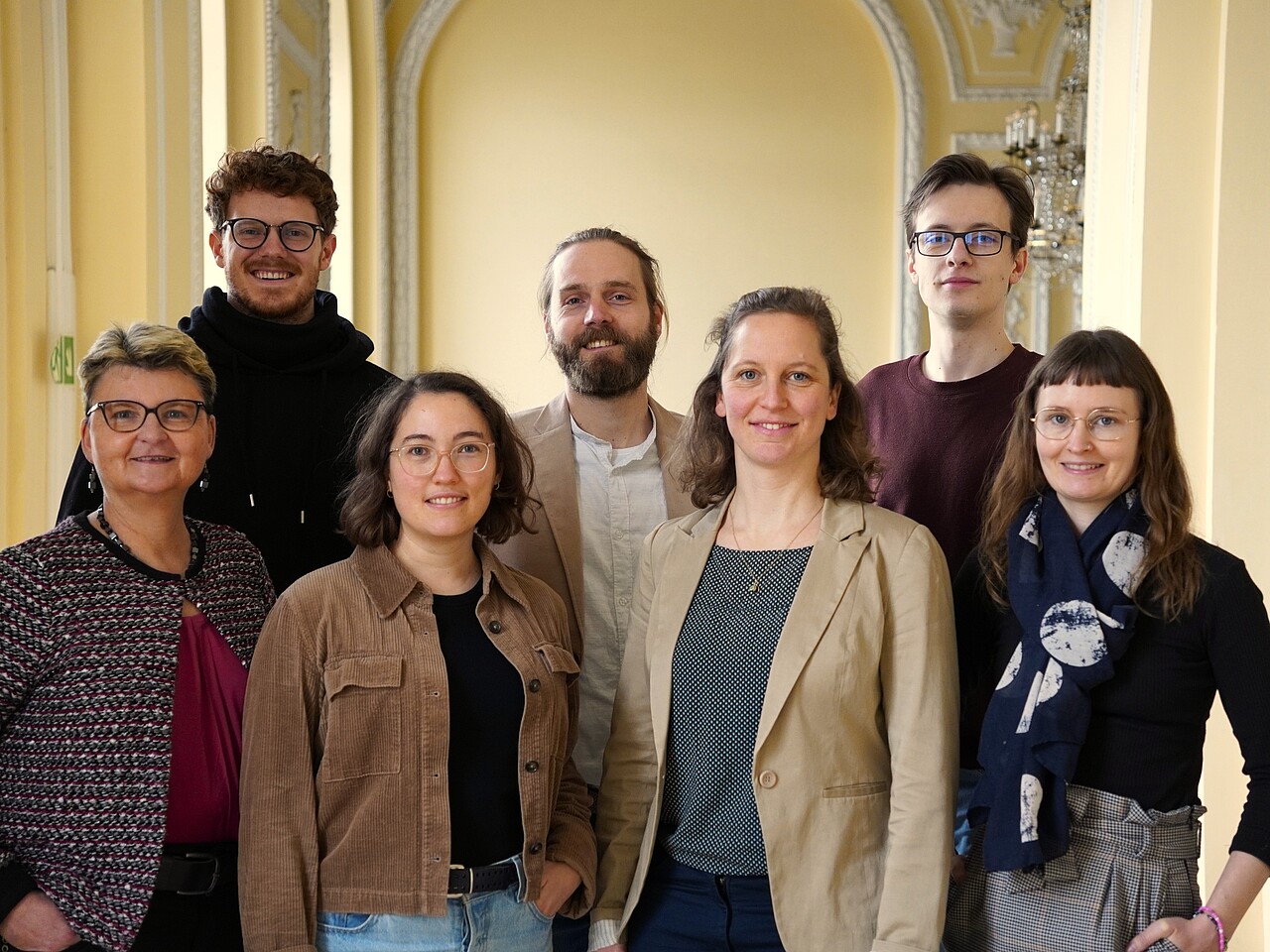
Get to know our team.